Classic movie watch — The Big Heat (1953)

If you’re looking for the precursor to Dirty Harry and a thousand other righteous vigilante cops in the cinema look no further than Fritz Lang‘s 1953 film noir masterpiece, The Big Heat. Starring the underrated Glenn Ford as crusading homicide detective Dave Bannion, The Big Heat unspools like an Eisenhower-era nightmare, peeling away the veneer of wholesomeness from a mid-sized metropolis to reveal the festering corruption beneath. With bracingly modern use of brutal violence, Heat is one of Lang’s top crime masterpieces in a career filled with them, and the film still retains its power to shock and disturb today. Like so much of the Austrian genius’ output, which includes genre-defining classics like Metropolis, M, Fury and Scarlet Street, the phrase “ahead of its time” sticks to the The Big Heat. No matter how many times you’ve viewed it, you’ll come away astonished at the remarkable moral distance the film has traveled from start to finish.

https://www.youtube.com/watch?v=uqWKnGXK4DM

While investigating a colleague’s alleged suicide and after talking to the seemingly bereaved widow, Ford’s Detective Bannion is contacted by the dead man’s mistress who reveals that not only was he keeping her on the side but that he was living far beyond the means of a policeman’s salary. After returning to push for answers from the now chilly dead cop’s wife, Bannion is then told to back off by his lieutenant. But when the mistress is found murdered, her body covered with cigarette burns, and O’Bannion begins receiving threatening calls at his home, he goes to the house of the local organized crime figure and Mr. Big, Mike Laguna (played by legendary voice actor Alexander Scourby), to confront him. Laguna offers to buy Bannion off but the straight arrow cop will have none of it. Seeing that Bannion cannot be deterred by the usual methods, the mob plans to murder Bannion by rigging his car to blow up. But when his wife ends up turning the ignition instead and his department continues to stonewall him, Bannion resigns from the force to begin a one-man crusade against Laguna and his fellow “thieves”.

TheBigHeat-3

Chief among those accomplices is Laguna’s enforcer, Vince Stone. Played to vicious perfection by the great Lee Marvin, at the peak of his early career powers when he was one of the most badass “heavies” in the movies, Marvin’s Stone is a pure psychopath capable of truly terrifying acts of sudden violence, especially against women. Continue reading

2015 F1 Grand Prix of Italy — Results & aftermath

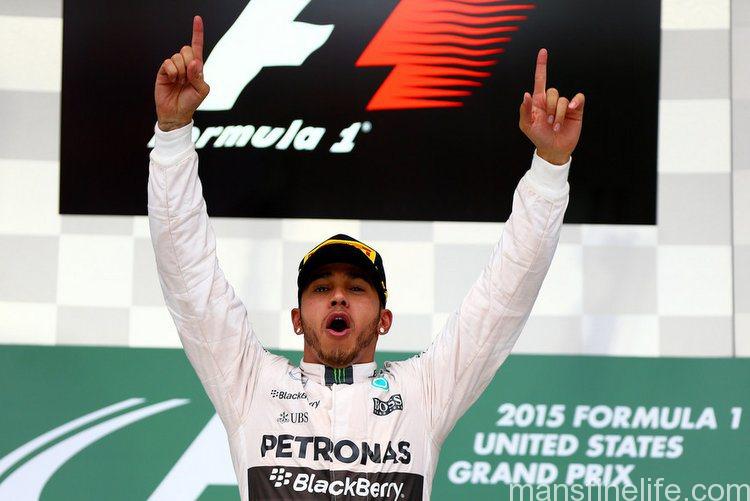
Hamilton marches to victory at Monza for Mercedes; Vettel a joyful 2nd for Ferrari and Williams’ Massa joins the party in P3

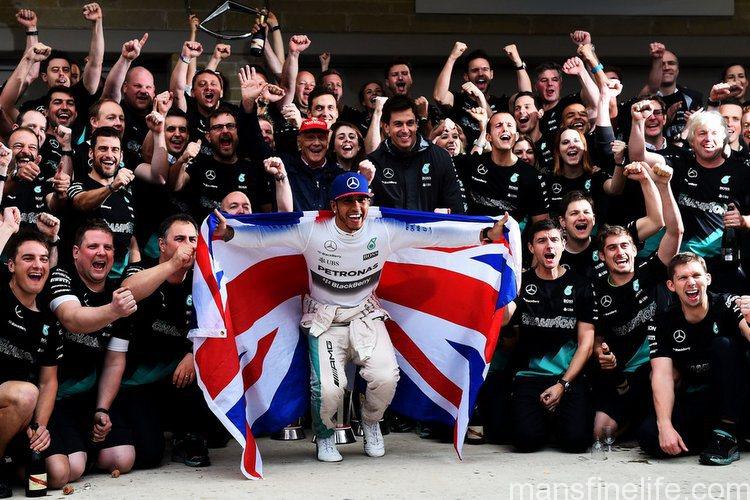
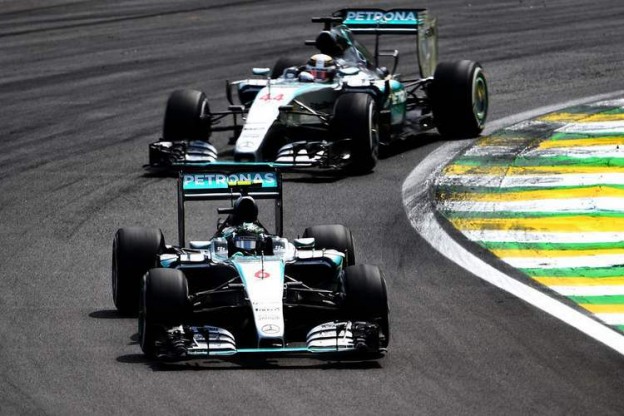
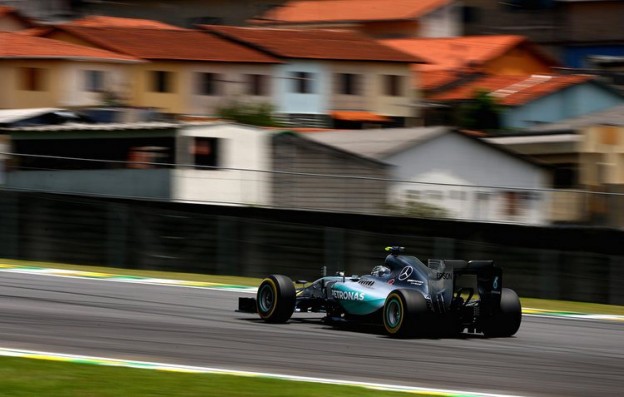
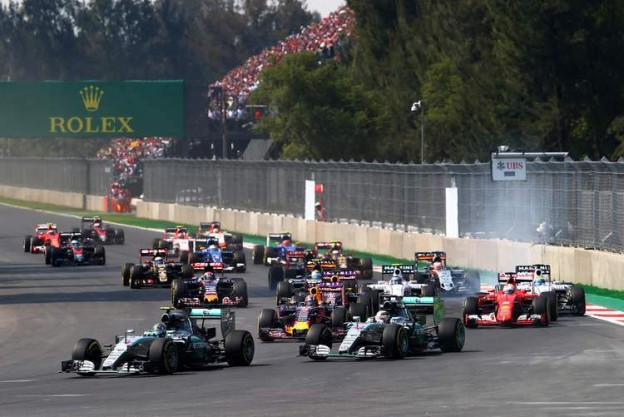
After eprecisely the fast getaway he was looking for when the lights went out to start the Italian Grand Prix at Monza, the only question left for Lewis Hamilton and Mercedes seemed to be whether a minuscule post-race tire pressure measurement could keep them from victory. But the stewards determined that the scant 0.3 psi under the regualtions had been caused by the natural cooling of the tires and not deliberately executed by Mercedes for unfair competitive advantage. And so, after some tense and mysterious moments late in the race with Hamilton’s engineer cryptically telling the Englishman to push for time but not ask questions, which naturally led to speculation that there could be a problem with his new 2016-spec engine, all came good for the Drivers’ Championship leader with yet another dominant victory. Better still for Hamilton, his closest pursuer and teammate, Nico Rosberg, suffered catastrophic engine failure in the waning laps after Mercedes had turned up the wick on his well used 2015-spec power plant in an effort to take the fight to Ferrari’s Sebastian Vettel for P2. So the German contender might be forgiven for thinking that the stars were aligned against him in these last several races, as he now finds himself not just 53 points adrift of Hamilton with only seven races remaining but also under pressure from the hyper-competitive Vettel in his rapidly improving SF15-T chassis. At least Rosberg can console himself with some big picture thinking after becoming a new father to a healthy baby girl between Spa & Monza.

Pix courtesy GrandPrix247.com

Pix courtesy GrandPrix247.com

Vettel not only celebrated a new family addition of his own with the recent birth of his second daughter but also a well-earned P2 for Ferrari at the Scuderia’s home circuit. While he never really had anything for Hamilton’s Mercedes, the German former 4-time World Champ was definitely the best of the rest. Even if Rosberg’s engine had not blown Vettel did not look likely to relinquish his precious second step on the podium. But his teammate Kimi Raikkonen had yet another day that must have left the tifosi tearing their hair out and wondering why the veteran Finn was retained by Maranello for next season. Raikonnen became the most high profile victim of the new “no clutch coaching” rules when he bogged down on the grid at the start. He almost proved all the warnings about the danger of that sort of stall, as well, when Rosberg and Williams’ Valtteri Bottas nearly ran into his backside. But the two pilots showed excellent car control and got away cleanly from the stationary Ferrari. By the time Riakkonen got it in gear the entire field had passed him and he was forced to battle from behind all day long. He did show good mental toughness in recovering from his self-inflicted wound, using aggressive driving and his car’s superior performance, as well as a superlative pit stop by his crew, to re-pass much of the field and take valuable points with a hard-earned P5.

VettelF1GPItaly-2015

Williams’ Felipe Massa, the Brazilian veteran and longtime Ferrari driver, held off his rapidly closing teammate to capture an emotional P3 at a track he called home for so many years. The hard-charging Bottas finished right behind Massa in 4th place, making it a tremendous points scoring day for Williams. The ultra-fast Monza circuit rewarded their excellent straightline speed while not punishing their usual lack of downforce. Sergio Perez and Nico Hulkenberg finished P6 and P7 respectively for Force India, another fine result for the little team that could, while Daniel Ricciardo and Daniil Kvyat took P8 and P10 for Red Bull despite starting near the rear after a passel of engine-change grid penalties. Marcus Ericsson of Sauber grabbed a very strong 9th place after after he was also penalized, in his case for impeding Hulkenberg in Saturday qualifying, and dropped to 12th on the grid. The young Swede has quietly put together an excellent second half of the season with points in his last three races and frankly outdriven his more heralded teammate Felipe Nasr.

Aside from Rosberg’s misfortune, the other DNFs in this full course yellow-free Grand Prix were both unlucky Lotuses within the first 4 laps and Fernando Alonso’s McLaren, which expired late in the race. Continue reading

2015 F1 Grand Prix of Italy — Qualifying results

Mercedes’ Hamilton still top dog in Italy but tifosi thrilled to see Raikonnen & Vettel relegate Rosberg to 4th

At the festival of pure speed and racing passion embodied by the legendary Monza track in northern Italy, Mercedes’ Lewis Hamilton proved once again that he is the fastest man in the fastest machine. Debuting 2016’s advanced engine spec for the factory Mercedes team, Hamilton grabbed yet another pole in Saturday qualifying, his astonishing 15th P1 out of 16 sessions this season. But the Silver Arrows’ overall dominance was upended by Scuderia Ferrari on their home turf, with the recently re-signed Kimi Raikkonen taking a very strong P2 and his more vaunted teammate Sebastian Vettel coming home just a few tenths behind in P3. When Nico Rosberg, running this year’s standard Mercedes engine, could do no better than 4th fastest, the tifosi erupted in unbridled, typically Italian joy. If the two Prancing Horses can make a dynamic duo-type getaway like we saw in Hungary and swamp Hamilton at the start of the race, they may be able to pull off the upset and send all of Italy into paroxysms of joy. However, with an average lap speed somewhere north of 150mph, It could be quite difficult to keep Hamilton down for long at this circuit even assuming that the two blood red Ferraris can get away from him when the lights go out. The other possibility, of course, is that the new Mercedes engine is not quite ready to last an entire race flat out. As the old saying goes, we shall see come Sunday.

Pictures via GrandPrix247.com

Pictures via GrandPrix247.com

Mercedes-powered Williams had a decent day, with veteran Felipe Massa slightly outpacing his younger Finnish teammate Valtteri Bottas, P5 to P6. Force India continued to impress with Sergio Perez grabbing the 7th fastest time, while Nico Huldenberg, who just had his contract extended by the team for two more years, ran out of fuel in the middle of Q3 and had to settle for 9th on the grid. Coming off his best race of the year at Spa two weeks ago, Romain Grosjean rode that momentum and was excellent for Lotus, just snatching P8 as the seconds wound down in Q3. Marcus Ericsson would have again found himself rounding out the top 10 for Sauber but he was judged to have impeded Hulkenberg during Q1 and penalized 2 spots on the grid, so Grosjean’s teammate Pastor Maldonado was elevated to 10th position.

Teams Red Bull and Toro Rosso were also penalized for exceeding their engine change limits and so all their cars will start from the back of the field tomorrow. Continue reading

The Gilt-Gloss 5512 Submariner– a Review by Beaumont Miller II

Introduction

The 1950s to the mid 1960s was a golden era for Rolex. Watches produced by the company during this time have captivated the hearts and minds of Rolex collectors for many years. The passion that drives many watch collectors is the desire to find not just older watches, but to search for vintage watches whose dials have been well preserved and protected from the elements and at the same time, have aged in a way that each has taken on a unique patina. Thanks to the introduction by Rolex of it’s patented Oyster case with its improved screw down case back and winding crown, many of these dials have survived today giving collectors much to be happy about.

The dials produced for the Rolex Submariner and GMT during this time are known by collectors as gilt-gloss or gilt/gloss dials.  The term gilt, as applied to these early Rolex dials, refers to both the gold tone of the text as well as other features of the dial.  While many collectors may not feel that the term gilt is appropriate when used in this context, it has stood the test of time, and as any collector with a passion for Rolex dials can tell you, it is a far better description than the names given to identify some other dials. The term gloss describes the mirror like black glossy surface of these dials, which is in contrast to the matte finish which was introduced by dial manufacturers for Rolex watches in the mid 1960s.

5512-61,4line-2  5512-61,4line-3

The manner in which these gilt-gloss dials were produced is very interesting. While some dial manufacturers might paint the text on the colored surface of the dial, those making the dials for the Rolex Submariner and the GMT did so in a way that the gold colored text and features are in relief or below the surface instead of on top. These gold aspects of the dial are actually the brass dial plate and lie underneath a coat of black glossy paint. On top of the black layer of paint, a clear coat of lacquer was then applied . In the case of the very early gilt-gloss dials, it was not uncommon to have lines of silver colored text in addition to the gold colored text. The silver colored text was applied on top of the final clear lacquer coat. Finally, the luminous material that allowed the watch to be read in the dark was applied. The more radioactive radium used for the dial and hands in the 1950s to make them glow was swapped for the less radioactive tritium in the early 1960s.

The way these dials have aged is at the heart of why these watches are so favored by vintage Rolex collectors. Just as no two fingerprints are the same, the same can be said of these early Rolex dials. It is not uncommon for the dials produced in the 1950s to have a darker more orange color to the text on the dial, while many others that were produced later tend to have acquired more lighter shades of gold tone. The difference between the two is likely due to the radium versus tritium used for the luminous material and how the brass dial plate reacted with the chemicals used to prevent corrosion during the manufacturing process. Another beautiful feature of these rare watches is the appearance of the glossy dial in different lighting conditions. The richness of the black high gloss finish of many dials can be readily seen in the sunlight, while other dials exhibit different shades of brown.

photo  photo

Another reason these early Rolex models are sought after by enthusiasts is because of the attractive styling of the watch case. As hobbies evolve and collectors become more knowledgeable, it’s common for the emphasis placed on certain aspects of the objects collected to change over time. Vintage watch collecting is no exception. Within the last five or six years, collectors have moved away from the mantra, “It’s all about the dial” and adopted a more progressive maxim, “A great watch starts with a great dial, but doesn’t end there”. Both the Rolex Submariner reference 5512 and its predecessor, the Submariner 6538, share the large chamfers or beveled edge on the lugs of the watch case that are prized by collectors. In recent years collectors have realized that unmolested examples with their sharp cases nearly intact are rare treasures.

photo   IMG_0109                                                                         

The Rolex Submariner reference 5512 was introduced in 1959 and was likely produced until 1980. Early examples were fitted with the calibre 1530 movement, and the improved chronometer rated 1560 movement was introduced a year or so later. The 5512 shared some of the styling features of the earlier Submariners like the outer rotating black bezel that helps to keep track of elapsed time. However, unlike the earlier Submariners, the watch case produced for the 5512 featured crown guards on either side of the winding crown, a feature that remains on the Submariner to this day. The many different gilt-gloss dials combined with the different shaped crown guards are some of the unique features of the 5512 that make this sporty and elegant reference a favorite of vintage Rolex collectors. Understanding the chronology and significance of these early dials is a passion of mine. From a collector’s perspective it is important to be able to evaluate a vintage watch based on its originality and period correctness. Unfortunately, not many collectors have the ability to locate vintage watches from original owners, and because the provenance of other watches is not always clear, understanding the significant changes in the evolution of this Submariner is critical in making sure that the watch has the correct movement and dial.

The following is a brief overview of the 5512 discussing some of the more common and rare gilt-gloss dials and their characteristics as well as a short summary of the different types of crown guards and movements from 1959 to 1966. There are few hard and concrete rules with Rolex during this period, and as such, this overview should NOT be seen as a conclusive authority to check the correctness of your vintage Rolex, but rather a guide to help collectors appreciate the many subtle nuances of the 5512 from the early to mid 60’s.

A warm thank you to Andrew Shear for allowing the pictures from his dial archive for this 5512 review.  Click on each pic for a higher resolution photo in a new window.  


1959-1960

photo-17  photo-18

The earliest dials for the 5512 are often called MK1 dials and can be easily recognized by the shape of the coronet, typically with the last spike on the right extending a bit further down than the other four. The phrase “Old Font” dial, a term often used by Marcello Pisani, was an appropriate description based on the observation that the Mk1 coronet was reminiscent of some of the previous coronets seen on the “Big Crown” Submariners from the 1950s.

During this period there are two different types of dial configurations for the 5512. There is the 2 line version with only the depth rating and “SUBMARINER” printed below it and the 4 line version with

“SUPERLATIVE CHRONOMETER
“OFFICIALLY CERTIFIED”

aka SCOC text , printed below the depth rating and “SUBMARINER”.

The early 5512 Submariner dials have different combinations of silver and gold text ranging from one line of silver and one line gold to three lines of silver and one line gold. Continue reading

Documentary view — The Wrecking Crew (2008)

Chronicling the greatest group of musicians you never heard of, 2008’s The Wrecking Crew is a an affectionate, in-depth portrait of the crack session musicians behind some of the biggest hits in Rock ‘n Roll history. This elite group of LA sidemen was anonymous to the general public but omnipresent during the 1960s and 70s on smash hits by Phil Spector, The Beach Boys, Herb Alpert, Sonny & Cher, The Byrds, Frank Sinatra, Nancy Sinatra, the Mamas and the Poppas, The Righteous Brothers and Elvis Presley, to name just a few of the most prominent stars they recorded with. The Wrecking Crew also served as the real band behind ersatz music industry creations such as The Monkees and The Association, where the members did not actually play their own instruments on the records. Even on the first Byrds album, a real rock band that featured standout musicians like David Crosby and Gene Clark, it’s pretty much just Roger McGuinn and the Crew because producer Terry Melcher didn’t trust the others to play the session at first. As McGuinn slyly comments in the film, both “Mr. Tambourine Man” and “Turn! Turn! Turn!” became Number 1 hits. But with just him and the Wrecking Crew, “Mr. Tambourine Man” and its B-side took about 3 hours. When all the Byrds got their chance to play on “Turn! Turn! Turn!”, that took about 77 takes.

If you’re at all interested in Rock folklore or have affection for the big pop hits of that ultra-well produced era, you’ve really got to check out this documentary. Directed by Danny Tedesco, the son of arguably the greatest and most versatile session guitarist of all time, the late Tommy Tedesco, and featuring interviews with the other greats of that exclusive club, The Wrecking Crew serves as a vital oral history of a pivotal era in American popular music. It also sheds an edifying light on a time where a handful of on call musicians worked 15-hour days and criss-crossed Los Angeles from studio to studio working one high powered session after another. Among the standouts profiled are the great electric bassist, Carol Kaye, who was groundbreaking not only because she was a woman but also because she was good enough to play an estimated 10,000 recording sessions in her career, contributing the bass hooks to pop culture artifacts like “The Beat Goes On”, “Windy” and the theme from “Mission: Impossible”. There’s a nice focus on the strong personalities of the impeccable drummers Hal Blaine and Earl Palmer, both Rock ‘n Roll Hall of Famers who helped form the thunderous backbeat of Spector’s immortal Wall of Sound and did less bombastic work on about a million other records. And then there are the Wrecking Crew alumni who graduated to front of the stage stardom, like Glenn Campbell, Leon Russel and Mack Rebennack aka Dr. John.

wreckingcrew-2

Ultimately a touching tribute and heartfelt salute to a fun-loving dad and his wonderfully individualistic collective of colleagues, Danny Tedesco’s affably personal piece highlights the very funny Tommy Tedesco’s wry humor and guitar genius but never at the expense of his equally talented and interesting peers. It also makes ample use of fantastic period footage and interviews with big time stars like Cher and Brian Wilson who the Wrecking Crew’s superlative talents helped make so successful. What comes across when those those big names reflect on that time is their heartfelt respect and appreciation for the invaluable musicianship and craft of the men and women who worked their sessions, made their hit records and more often than not didn’t even get an album credit. A must for the casual fan or hardcore Rock fanatic, The Wrecking Crew is both a delightful piece of nostalgia forever preserved in cinematic form and an important record of a vital but hidden behind-the-scenes part of the music industry that most of us never really knew existed. I can’t recommend it highly enough. And the best part is that it’s currently a free rental on Netflix so there’s no reason not to check it out. Chances are you’ll be blown away by the incredible number of Rock classics these session aces played on. I sure was.

tomvox1’s Watches for Sale — August selection, Pt. IV

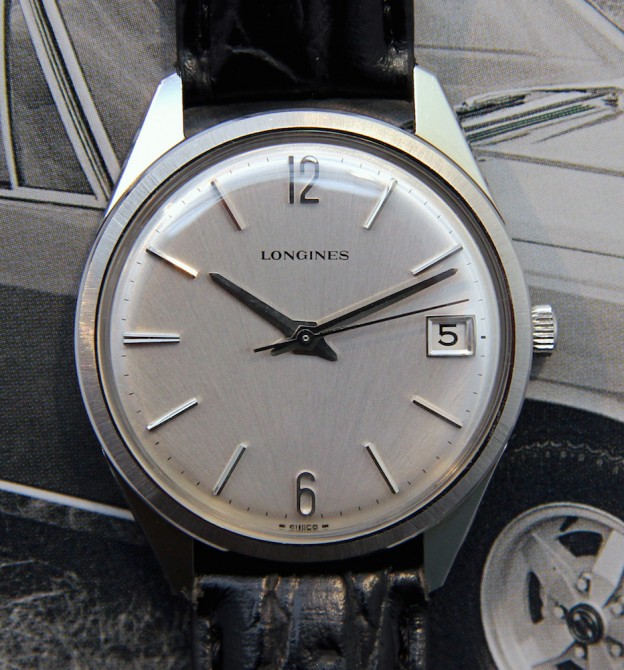
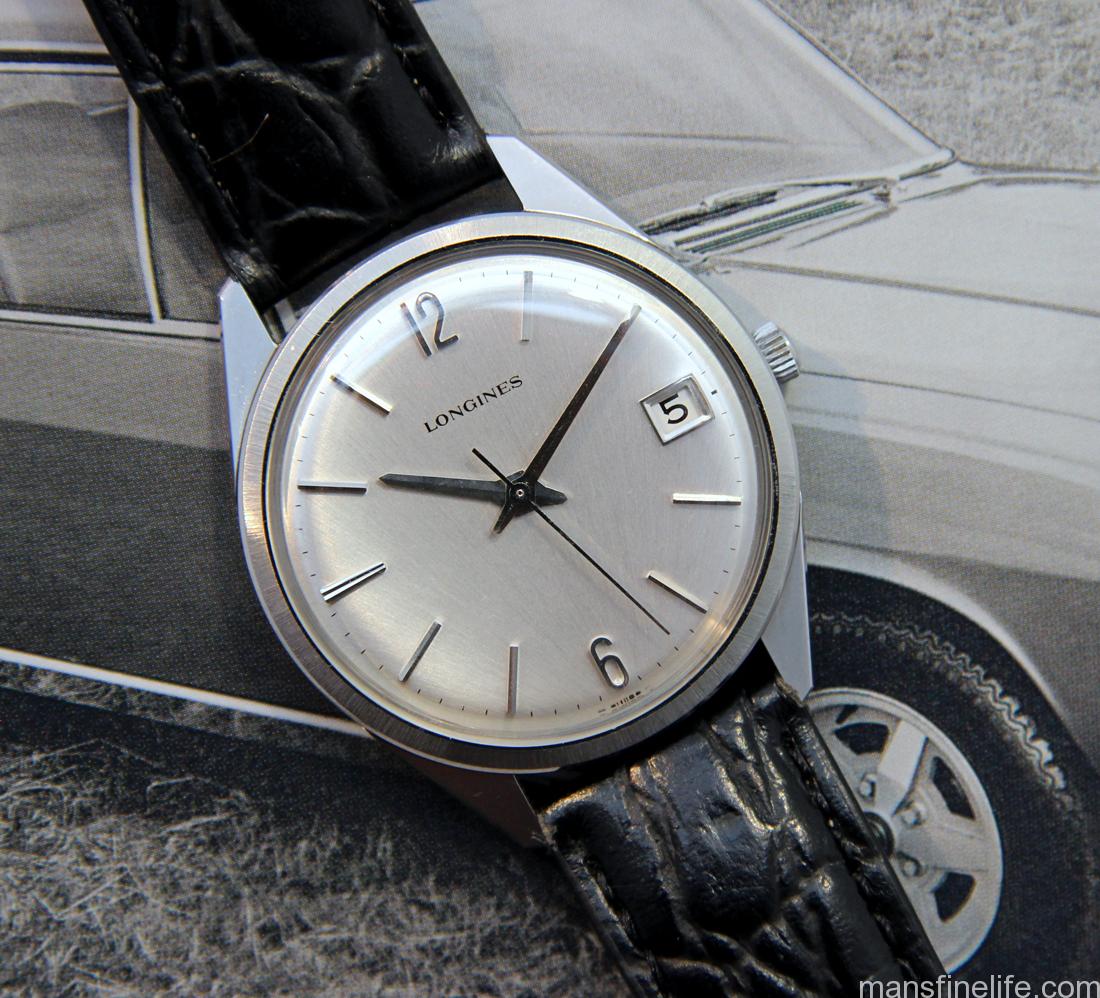
Well, August is surely winding down to a close. But there’s still time for one more cool vintage watch to be offered up for your sartorial pleasure. It’s another classic 1960s Omega Semaster De Ville, this time the yin to the black dialed version’s yang with a stunning original silver sunburst dial in top Near Mint condition.

OmegaSMDeVilleSilver-5

Again unpolished and again all original, this timeless De Ville “unishell” is running strong and is pure class on the wrist. And heck, if you buy both this one and his black sibling you’ll have an instant, Mad Men-style wrist wardrobe just like that! Not too shabby, Alonso.

Check out the full ad with many more pictures and complete description over at the excellent Omega Forums’ Private Sales section.  SOLD

Earworm of the day/A little Wednesday comedy

Ever since I flew back from vacation a few weeks ago and killed some time with the obligatory viewing of The Big Lebowski, this song has been rattling around my brain. You know the one — the psychedelic side of Kenny “The Gambler” Rogers? Who knew, right? Works on a few levels — period pop, ironic delight, its permalink with a cult classic movie. And, oh that Coen Brothers “video”!

Are you ready for the sequel?

RIP Justin Wilson — 1978 – 2015

Very sad news today from the world of motorsport — racing driver Justin Wilson has died after suffering severe head injuries in last Sunday’s IndyCar race at Pocono Raceway. The English racer was struck by a large piece of debris at speed when Sage Karam’s car crashed into the wall late in the race. He was airlifted to nearby Lehigh Valley Hospital directly from the track but remained in a coma and passed away this past Monday evening. He is survived by his wife Julia, his two young daughters and his younger brother Stefan, who is also a professional racer. Wilson was 37.

IndyCar’s official statement is here.

The family’s statement with their charitable wishes is here.

Justin Wilson was an extremely talented driver who competed in the highest forms of motorsport on several different teams and in several different disciplines. Along the way, he overcame numerous serious injuries to continue racing, his lifelong calling. Working his way up through karting and the lower development divisions, Wilson then won the 2001 Formula 3000 championship and then got a Formula 1 ride with Minardi in 2003. Due to his unusual height — the lanky Englishman was a very un-pilot like 6’4″ — Minardi designed the car around Wilson. After outperforming senior teammate Jos Verstappen, Wilson jumped to Jaguar for the last races of the season, scoring his first Championship points at the US Grand Prix at Indianapolis. But due to that odd F1 paradox of talented drivers with insufficient sponsorship or personal funds being passed over for less gifted pay drivers, Wilson was bounced from his F1 seat and came to America to find work. And find it he did. He got a ride in Champ Car (precursor to indyCar) in 2004 and won his first race in that series in 2005 in Toronto. Wilson finished runner up or 3rd in that championship from 2005-7.

JustinWilson2

Wilson continued to race in America when Champ Car merged with the Indy Racing League to from today’s IndyCar series in 2008. He kept winning and worked hard to improve on the alien American oval tracks but always had trouble finding a long-term drive, probably due to the lack of personal money he could bring to a team. His management group eventually resorted to selling “shares” in Wilson to support his racing career. But like a throwback to a 1960s or 70s driver, Wilson hustled and competed in all forms of the sport, carrying his helmet to the 24 Hours of Le Mans early in his career, a win at the 2012 24 Hours of Daytona after several tries, multiple Indianapolis 500 starts, V8 Supercars in Australia and even Formula E this year. Simply put, Wilson was a professional driver who could make any car go faster and improve the performance of a chassis through his experience and valuable technical feedback, particularly on road courses.

And that’s how he came to be driving for Andretti Autosport this past Sunday after being signed for the last five races of the season. Continue reading

tomvox1’s Watches for Sale — August selection, Pt. III

Summer may be gradually winding down but the good oscillations keep on coming with stylish and affordable vintage watches just waiting to make their way on to your wrist. Just in, this drop dead gorgeous Omega Seamaster De Ville from the late 1960s, real Mad Men material if I dare say so. What makes this fine vintage dress Omega a bit better than the rest is the beautiful original Near Mint gloss black dial.

OmegaSMDeVilleBlack-9 copy

During this period Omega simply didn’t produce many dress models with black dials — they’re almost all silver or white. So finding a survivor with its original black lacquer dial in such great shape is a real coup for Omega aficionados. There’s even a hint of tropical brown peeking through under bright light.

OmegaSMDeVilleBlack-bk copy

With a classic front loading “unishell” all-steel case in unpolished condition, this De Ville is a versatile and durable stunner. And with the redoubtable in-house Omega automatic caliber 552 under the hood you’ve got accurate timekeeping covered too. So whether you’re headed to pitch a new client or out for cocktails with that special someone, you’re guaranteed to arrive in impressive style.

Check out the complete ad with many more pictures, complete condition report and description over at Omega Forums’ Private Sales Forum.

2015 F1 Grand Prix of Belgium — Results & aftermath

Hamilton back on form for Mercedes with dominant victory at Spa, Rosberg 2nd best; Grosjean surprises with fantastic P3 for Lotus

Photos via GrandPrix247.com

Photos via GrandPrix247.com

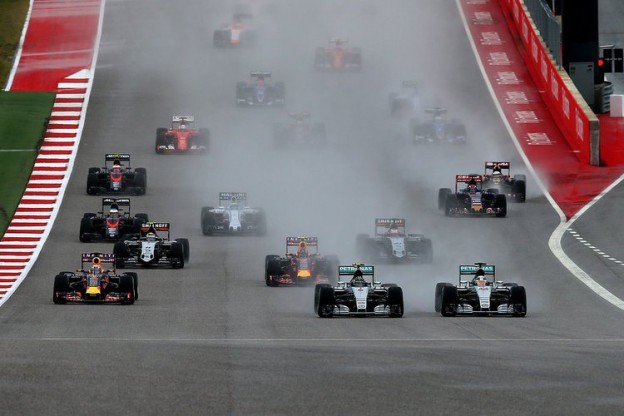
The Belgian Grand Prix at Spa-Fracorchamps, the first race in anger after the long summer break at a legendary circuit renowned for drama and danger, did not disappoint. While Mercedes’ Lewis Hamilton returned to form and stamped his authority on the race from pole to the checkered flag, all behind him was chaos. His teammate and closest rival, Nico Rosberg, had a poor start under the new “no clutch coaching” rules and was swamped immediately by the onrushing Williams of Valtteri Bottas, Sergio Perez’s Force India and Daniel Ricciardo’s Red Bull. While Rosberg would fight back to come home 2nd his chances of catching Hamilton were essentially doomed with that sluggish start. And now 28 points adrift, so might Nico’s chances of breaking Lewis’ stranglehold on the Drivers’ Championship.

Grosjean-F1GPBelgium2015

Aside from Hamilton’s renewed dominance, the other big story of the Belgian GP was Lotus’ Romain Grosjean. The mercurial Frenchman started from P9 after a a 5-spot grid penalty for an engine change on Friday. But Grosjean was undeterred and carved his way through the field, his improved Lotus chassis showing a fine balance of power and stability that suited the always tricky-fast Spa circuit. With the help of a good pit stop he emerged in 7th place on Lap 10. He passed Daniel Ricciardo’s Red Bull on Lap 18 for P4 and then Perez on Lap 20 to take P3. That seemed to convince Grosjean that was exactly where he belonged. By the end of the race and after another round of pit stops he was in hot pursuit of Ferrari’s Sebastian Vettel for that last step on the podium with the laps  — and Vettel’s old tires on a one-stop strategy  — running out. And as fate would have it, on the penultimate lap Vettel’s right rear tire blew directly after the two cars tore up Eau Rouge nose to tail. Vettel suffered the ignominy of limping home with nearly the entire field passing him while an emotional Grosjean raced home for a much needed podium for beleaguered Lotus.

Red Bull’s Daniil Kvyat, who finished 2nd in the last Grand Prix in Hungary, had another outstanding drive on Sunday. Continue reading