Qualifying in Hockenheim today was dry, hot and a little bit scary. Come with me below the fold to find out what went down in Germany… Continue reading

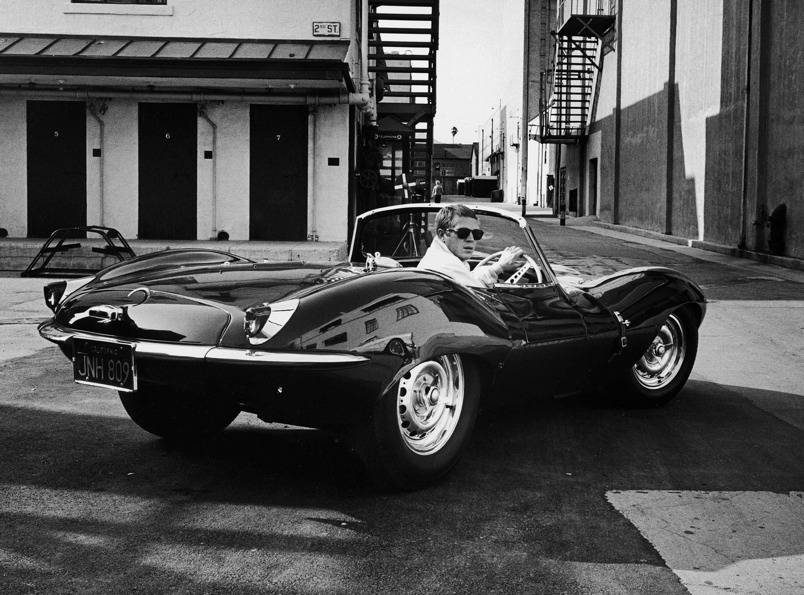
Qualifying in Hockenheim today was dry, hot and a little bit scary. Come with me below the fold to find out what went down in Germany… Continue reading

Born in New Jersey and raised in Queens and the Dominican Republic, the lithe and lovely Zoe Saldana has emerged as a talented and strong leading lady in big budget epics. Overcoming childhood tragedy when her father was killed in an auto accident to find her love of performance through dance in the DR, the part Dominican, part Puerto Rican, all-lovely Ms. Saldana started out doing youth theater in Brooklyn in the mid-90s. But it wasn’t long before professional work came calling with a role on a Law & Order episode in 1999 and the melodramatic youth ballet feature, Center Stage in 2000.
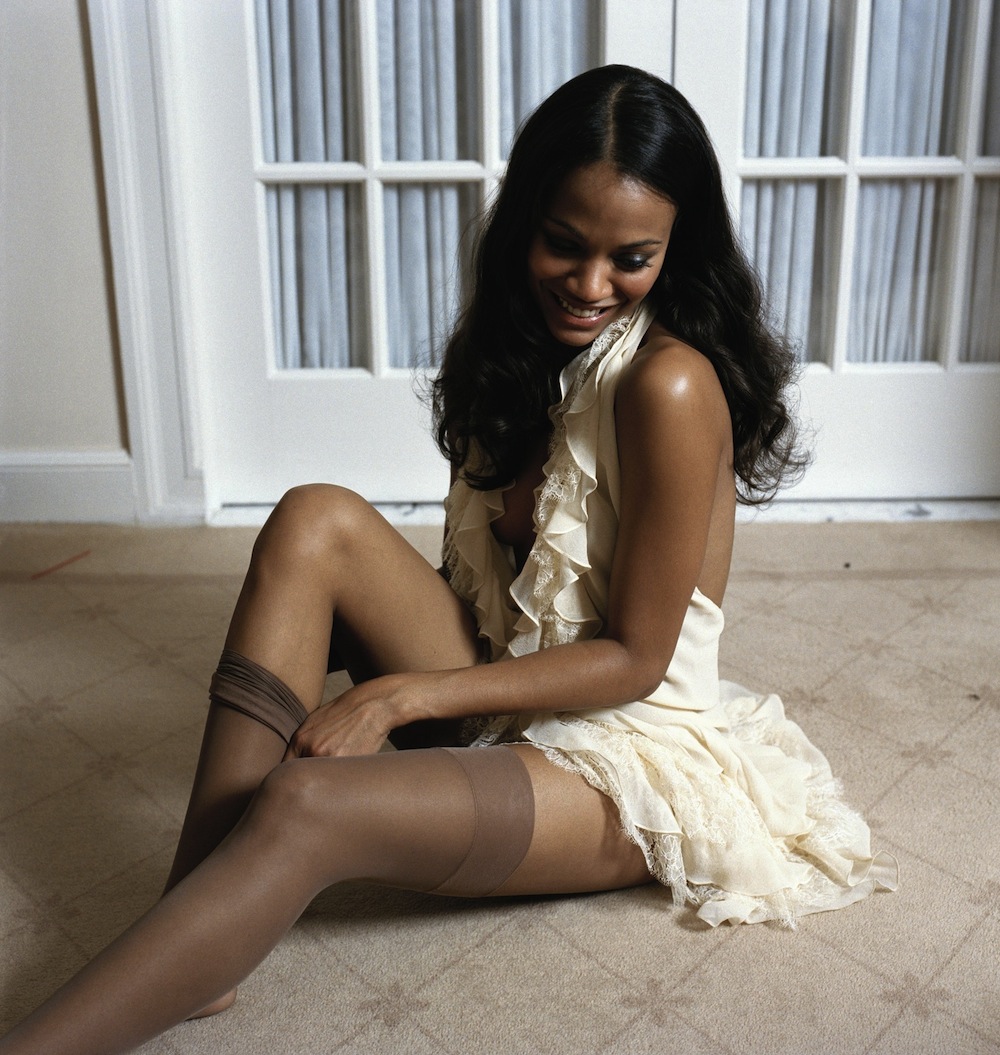
From such promising beginnings, she soon caught the eye of Gore Verbinski to play one of the many pirate types seeking revenge on Johnny Depp’s Captain Jack Sparrow in 2003’s mega-hit Pirates of the Caribbean: Curse of the Black Pearl. Steven Spielberg also saw that special something in her, presciently casting her as a Star Trek-loving customs agent sympathetic to Tom Hanks’ stranded immigrant in 2004’s The Terminal.

After more blockbuster supporting work in the Roshomon-like political thriller Vantage Point (2008), 2009 saw Zoe have the breakout year that most actresses can only dream of: First, her dancer’s training and ultra-sophisticated motion capture brought to virtual life Neytiri the blue Na’vi princess and the main female character in James Cameron’s monster hit, Avatar. As if that wasn’t enough of an achievement, she also stepped even further into Sci-Fi immortality by assuming the pioneering role of Lieutenant Uhura in JJ Abrams’ rebooted Star Trek. That is what’s called a banner year, folks.

Not only has the 36-year-old already appeared in 2013’s hit sequel Star Trek: Into Darkness, where her fiery portrayal of Uhura assumed even more prominence among the crew of the Enterprise, but she is currently shooting a whopping 3 sequels to Avatar in New Zealand. Continuing with her Sci-Fi/crazy costume bent, Zoe is currently starring as the very green Gamora in the Marvel comic book adaptation, Guardians of the Galaxy, alongside newly minted leading man Chris Pratt. And after playing the title role in NBC’s miniseries remake of Rosemary’s Baby it’s somewhat heartening to know that Ms. Saldana will be starring in the soon-to-be-released and decidedly non-occult Nina Simone biopic, Nina. Bewitching as she is in tight latex costumes and weird skin colors, we’re looking forward to this lovely and intelligent lady playing that real live woman of great soul and complexity, thereby showing us even more of her inner beauty and acting chops. Then we sincerely hope Zoe gets a vacation because the girl is seriously working overtime!



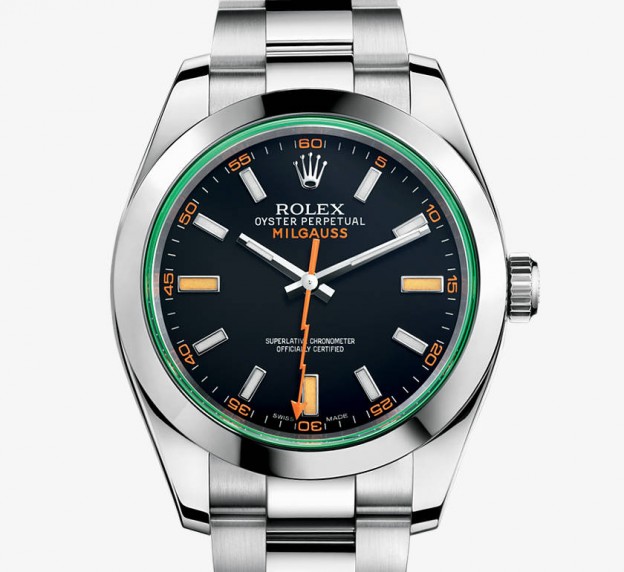
90% if the time I am a 100% vintage watch guy. They have the vibe and design qualities of days gone by that usually make them much more appealing than their shiny modern counterparts. But once in a while I give in to that new watch temptation and fall for something the manufacturers are offering today. The Rolex Milgauss GV is definitely one of those that turned my head and won my ardent affection.

Like a lot of marques in recent years, Rolex has very cleverly paid homage to designs from their storied past while giving them a modern interpretation, as well as all the technological upgrades available in this era. One of the most successful of these “heritage” pieces is the newest iteration of their famous Milgauss line. Dating back to the mid-1950s, the golden age of Tool Watch innovation, the Milgauss was originally designed to stand up to the large magnetic fields being generated by nuclear and other emerging technologies in the Post War era. This specially designed anti-magnetic timepiece could stand highly magnetic environments of up to 1000 gauss, hence the name, and it was marketed to scientists and technicians whose watches would normally be severely disrupted by such high levels of magnetism. Apparently this watch-buying segment was perceived as significant enough to lead to a plethora of anti-magnetic watches being created, as not just the Milgauss but also IWC’s Ingenieur and Omega’s original Railmaster made their debuts around this time.
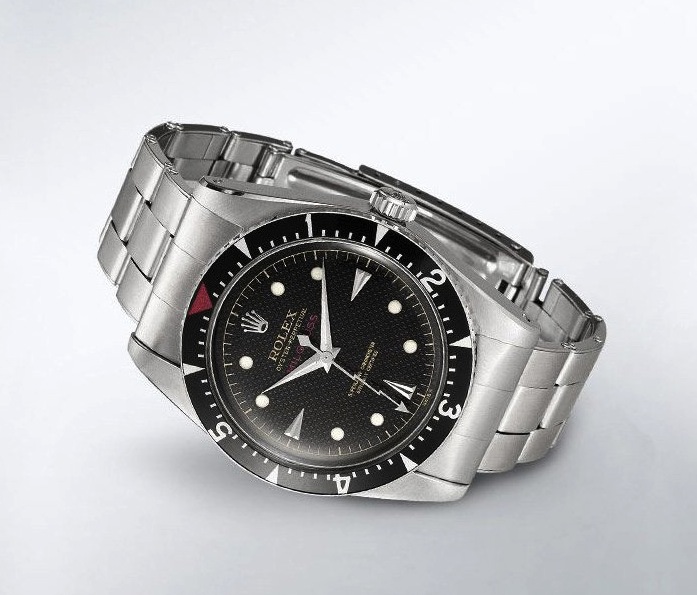
Original 1956 ref. 6541 Milguass (Image from Antiquorum)
Despite or perhaps because of the emergence of those competitors, the market was never very strong for the original lightning-hand Milgauss. But Rolex kept with it and redesigned the watch in the middle to late 1960s. With a cleaner, more conventional design, the new 1019 Milgauss seemed a more versatile wristwatch for the professional man of science, while still retaining it’s antimagnetic powers through the continued use of the Faraday cage design. Again, though, the Milgauss line was a poor seller in the overall Rolex catalogue, probably due to its rather specific purpose and slightly premium price over a standard dress model, as well as its then-large 38mm size and thick case. With demand for mechanical watches lagging overall, Rolex discontinued the Milgauss by the early 1980s.
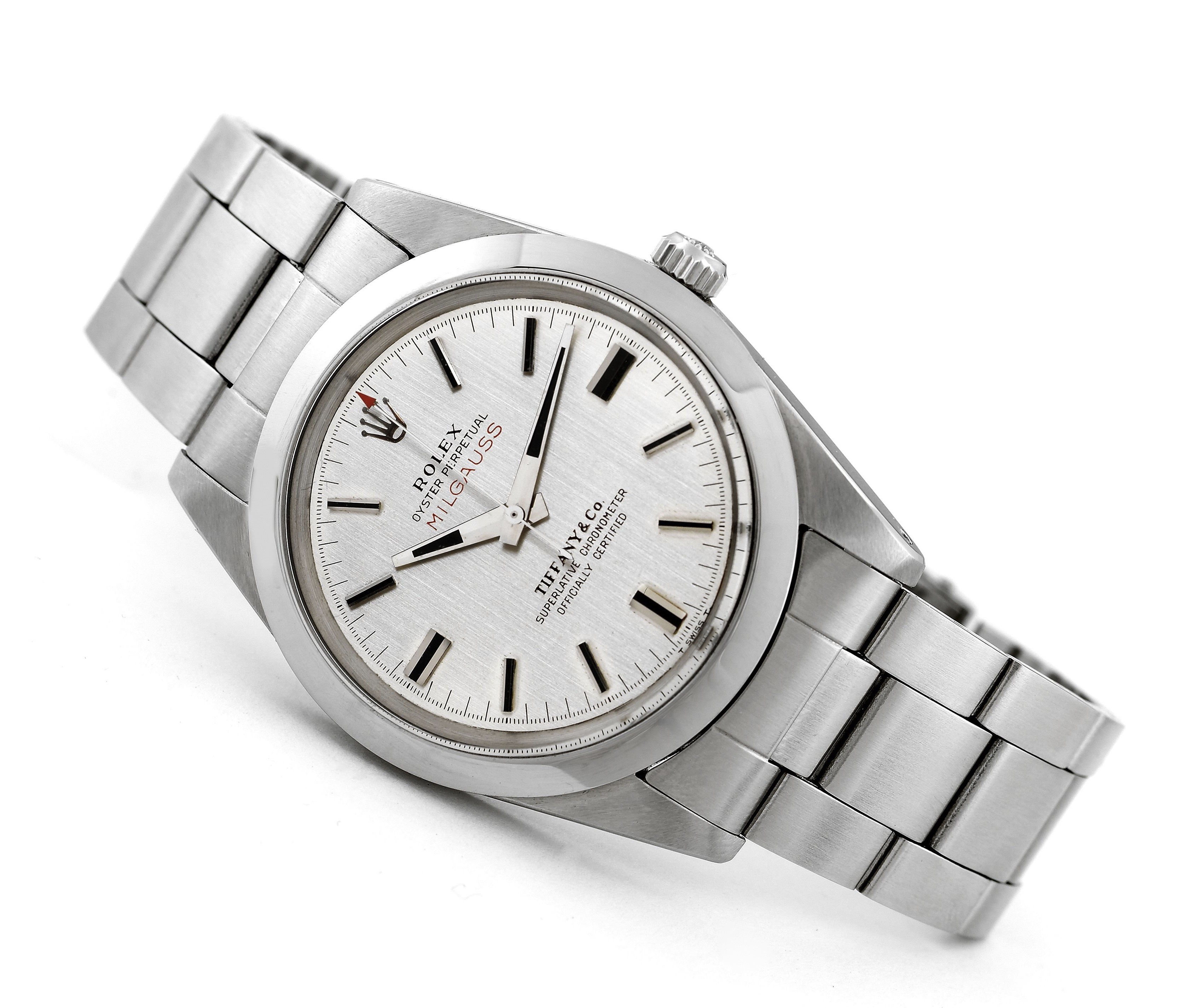
Ref. 1019 with rare double-signed Tiffany Dial (Image from AQ)
However, as with so many of the “unpopular” Rolex of their time — such as the original Explorer II, the Tru-Beat, even the Cosmograph Daytona — their very lack of success and smaller production redounded to their later success once they had been removed from the catalog. Continue reading

After a rainy Saturday Qualifying, the weather at Silverstone on Sunday may have been dry and sunny but the race action was wild and unpredictable. Come with me below the fold to find out how it all went down at the British Grand Prix… Continue reading

As usual there was never a dull moment at Silverstone today during Qualifying for the British Grand Prix. Typical English summer rain put the cat amongst the pigeons to say the least. So come with me below the fold to find out who won and lost their gambles in the wet… Continue reading
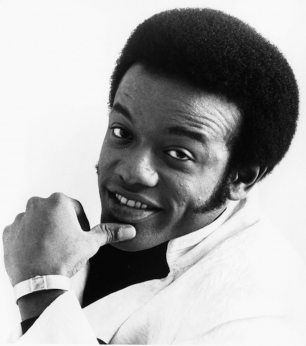
R&B and Soul legend Bobby Womack has passed away at the age of 70. One of the classic “middleweights” of the African-American music scene in the 1960s & 70s, Womack made hugely popular singles that, like Tyrone Davis and Johnny Taylor, charted big time in R&B but did not have the crossover appeal of a Marvin Gaye or Al Green as radio was becoming more & more re-segregated.
Mentored by the legendary Sam Cooke, Womack followed a similar trajectory by emerging from strong Gospel roots to perform “profane” secular music. That connection was further cemented when Womack married Cooke’s widow not long after the latter’s shooting death, a move which many found distastefully opportunistic and led to de facto blacklisting by the music industry. But, as Womack always maintained, it was probably just a case of two people devastated by the loss of the most important person in their lives who found solace with each other.
In any event, Womack recovered after many years in the shadows doing important back up work with the likes of Sly and the Family Stone and Janis Joplin to release two exceptionally strong albmus in the early 1970s, Communication and Understanding. These yielded a string of major hits including “That’s the Way I Feel About ‘Cha”, “Woman’s Gotta Have It” and the quirky “Harry Hippie”. Womack also scored with the socially conscious “Across 110th Street”, the theme to a mediocre 1972 Blaxploitation movie that was reused 20 years later by Quentin Tarantino for Jackie Brown, his excellent homage to that unique genre.
Womack stayed busy and relevent to the end, recording with the Rolling Stones, The Roots, Mos Def and Gorillaz among many others. But it is for his special run of 1960s and 70s hits that he will be best remembered. One thing’s for sure: ain’t nobody gonna forget about Bobby Womack.
His full New York Times obituary is here.



There are annoying ads and then there are really annoying ads. The campaign for used car subscription database CARFAX.com has gone from the former, when it used to feature skeezy dealers with a fox puppet trying to dupe buyers, to the latter, with the agency doubling down on the creepy talking Car Fox spokesthingy and introducing a managerie of other critters to help uncover the true condition of potential used car purchases. Because nothing says “reliable detailed research” like a terrifying drop into the Car Fox’s secret high tech lair so talking CGI animals can report back to him about used cars. Or something. Wes Anderson this ain’t, folks.
https://www.youtube.com/watch?v=b5jEBEuktx0
I guess you could say it’s a little like a Disney movie with the customers being the nice humans transported into a magic world and the not-very-cute animals reporting on crash history instead of bursting into song. Uh, oh. I hope I haven’t given the creative team a new idea of where to take this damn campaign next. Because if there’s one rule of thumb I have for ads it’s that, along with omniscient talking babies, yappity animals are the worst sort of cheap trick used to obfuscate the lack of a clear, creative message with a cloyingly cutesy mnemonic device. Look, I admit the Carfax-Carfox ploy is so stupid it works on the most annoying level of simple association. But if those helpful little beasties start bursting into elaborate musical numbers I just may throw my flatscreen out the window.
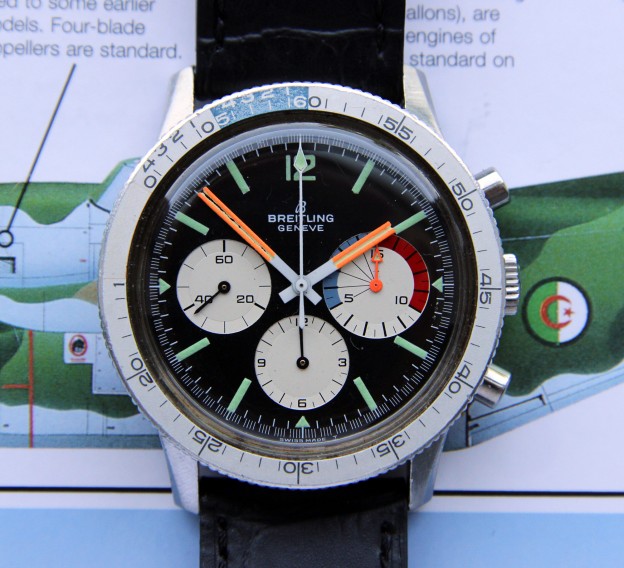
Got another rare watch on offer this month, this time a classic vintage Breitling sports chronograph with a twist. This one is an unusual Co-Pilot model all kitted out for yacht regatta timing. With fantastic added colors to the unique 15-minute register and a color-coded silver elapsed time bezel this reference 7650 has got “late 1960s funky” written all over it. Add to that the very large and chunky 43mm wide case, the distinctive mint green luminous on the dial and the Dayglow-orange hour, minute and counter hands and you’ve got pop art on the wrist.
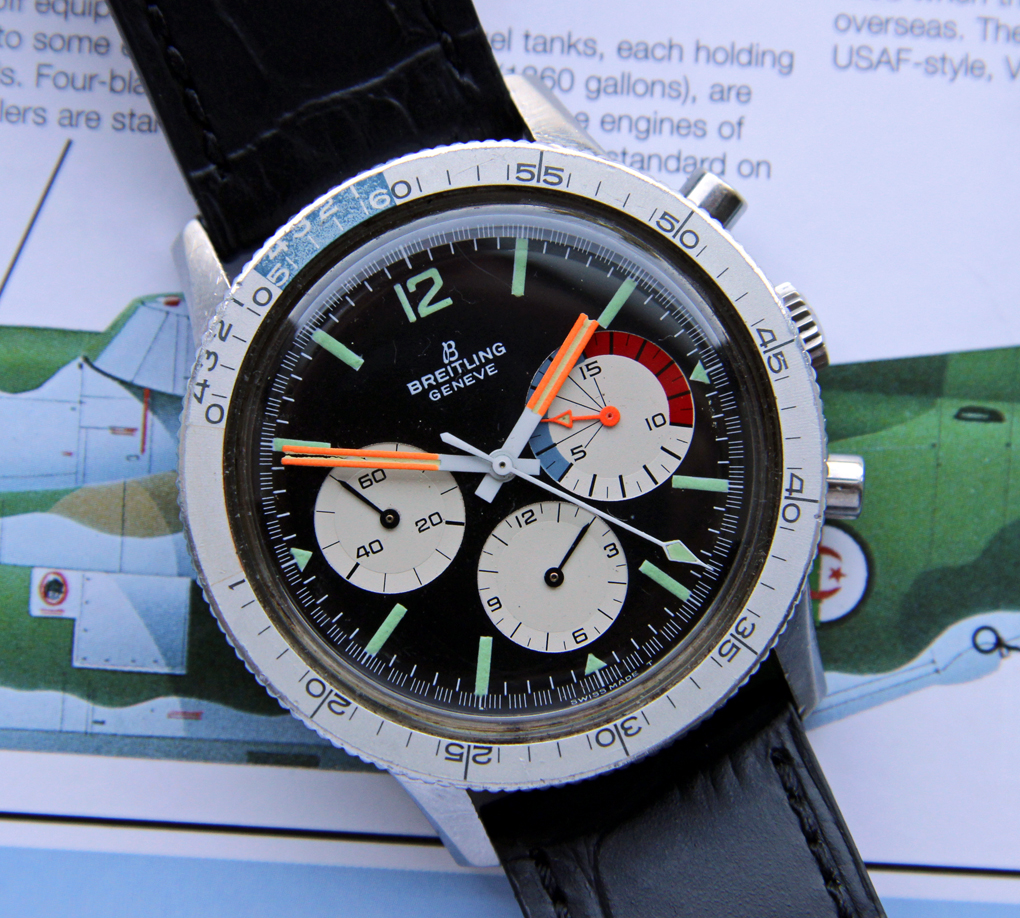
Breitling was a pioneer in oversized special purpose tool watches back in the day, a trend they also helped revive in the modern era, and this Co-Pilot “Yachting” chrono is one of their most distinctive and hard-to-find designs — chances are, you won’t see another on anyone else’s wrist.
Check out my ad for this great watch with many more pictures and info over at Timezone’s Showcase. SOLD

What went down in Spielberg yesterday on the return of F1 to Austria? Come with me below the fold to find out… Continue reading

Formula 1 returns to Austria for the first time in over a decade at the newly-christened Red Bull Ring. Would the namesake’s team uphold Red Bull pride on Qualifying day amidst the short and tricky track in the Alps? Or would the German Mercedes team continue their overpowering display of prowess? Come with me below the fold to find out… Continue reading