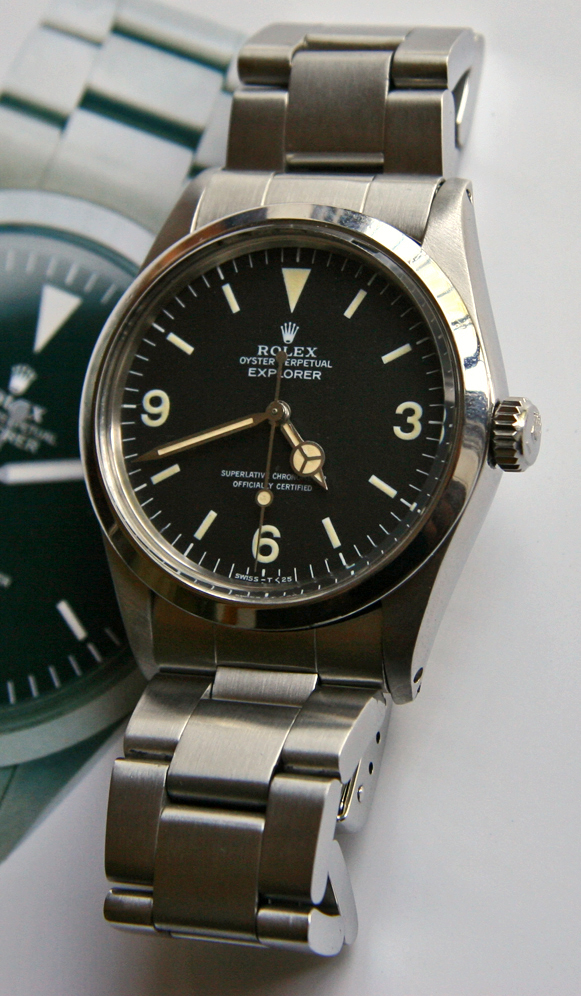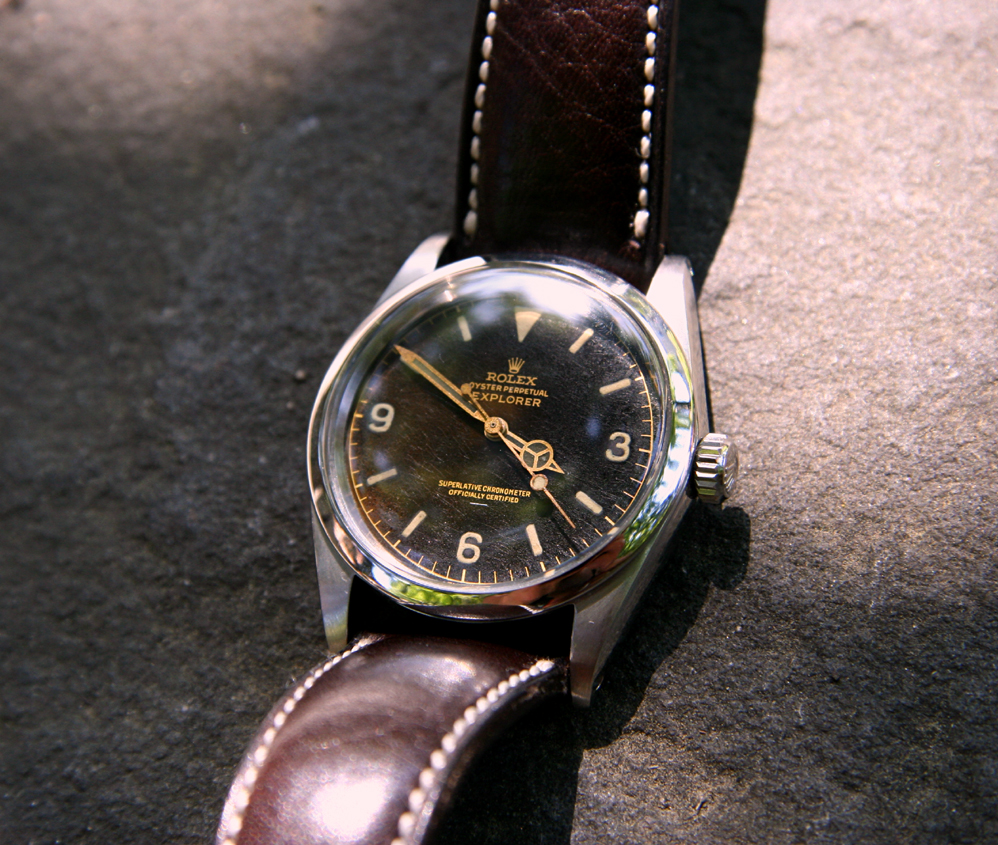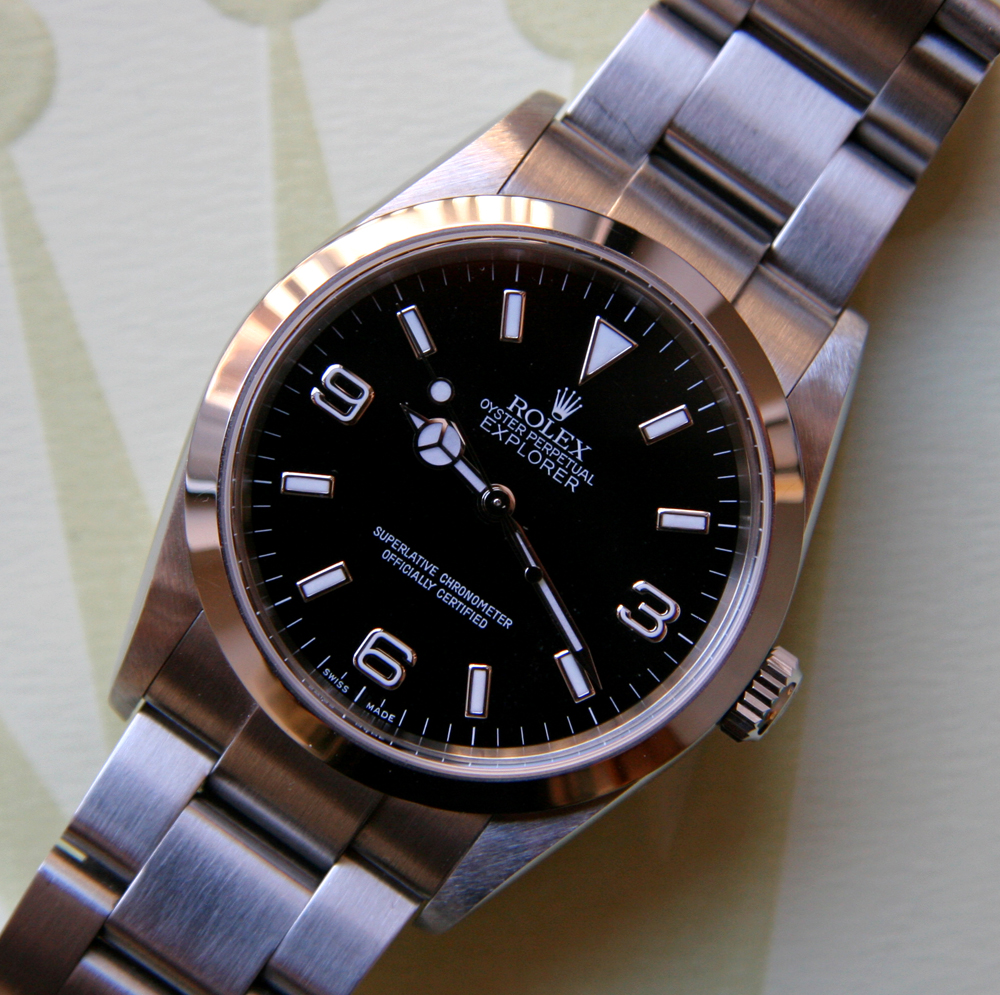
Rolex is at once one of the most innovative companies and also one of the most deliberate. Because of Rolex’s conservative approach to changing their watches over the decades you can trace a straight line from the last of the plastic crystal Explorers in the 1980s, for example, back to the Oyster watches they produced in the 1940s. The designs are really quite similar even if some cosmetic things like the dimensions of the watches changed over time.
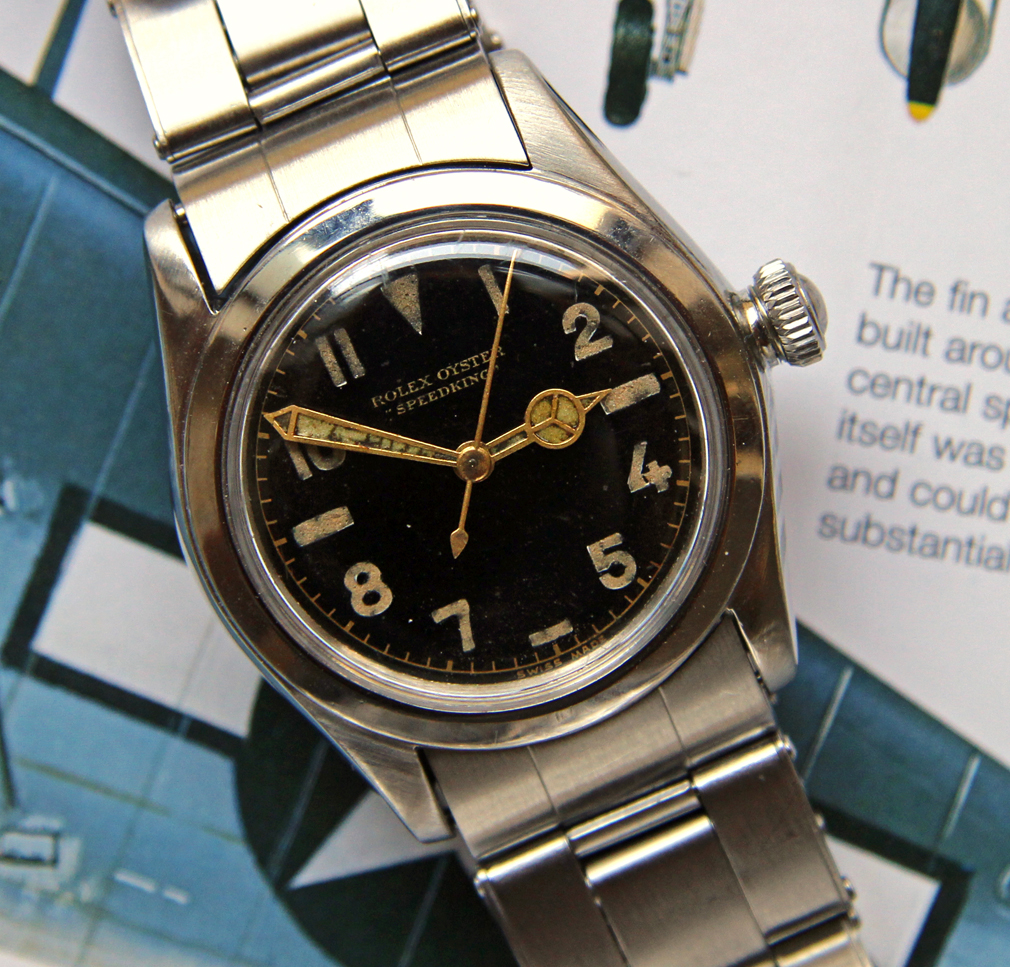
Speedking ref. 2280, ca. 1942

Explorer ref. 1016, ca. 1985
A Datejust from the 1950s looks relatively similar to a Datejust from the 60s, 70s or 80s.
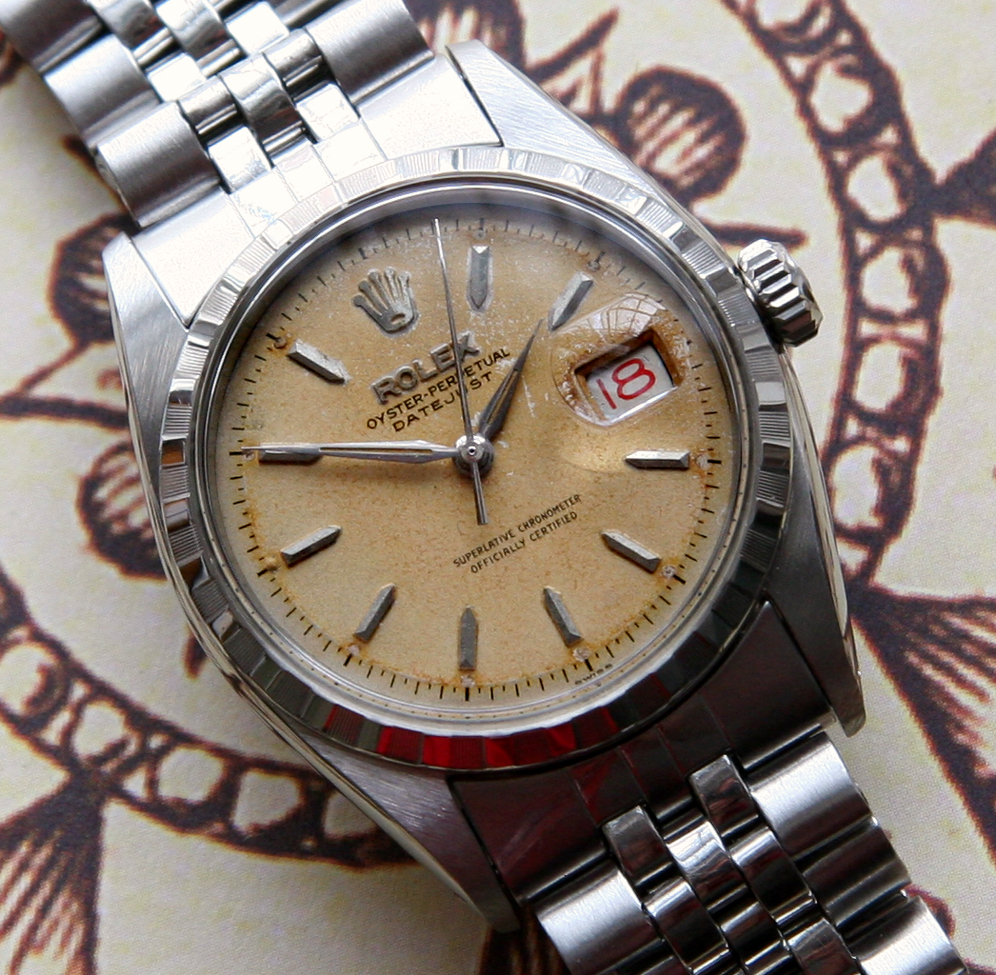
Datejust re. 6605, ca. 1956
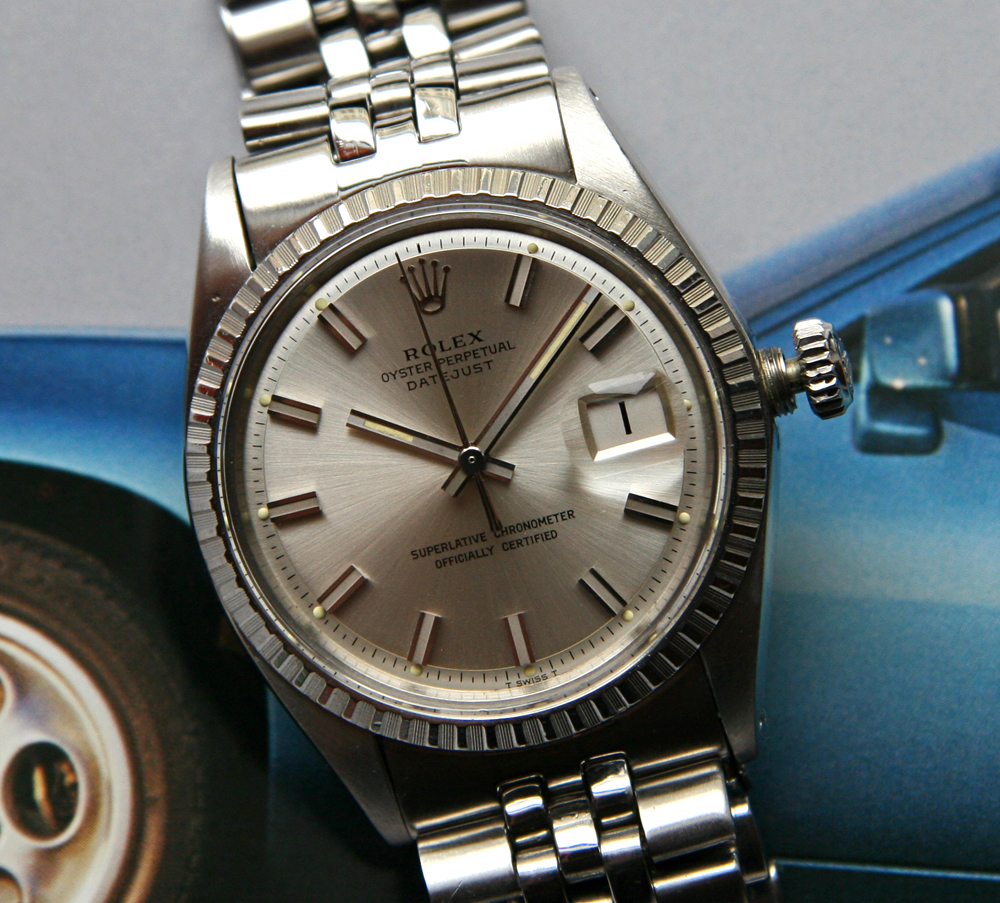
Datejust re. 1603, ca. 1971
And this creates a very comforting and satisfying continuity, the shared heritage of a Rolex Oyster’s ancestry always being present in the next iteration. But–and as a vintage collector this is what hooked me–despite the similarities, there are myriad very small differences. Learning about these subtle changes, sometimes as small as the font on a dial, is the fascinating part of Rolex collecting, as well as often being crucially important to the value and authenticity of a given example. Continue reading